Bangkok Like a Local: A Pro’s Guide to Thailand’s Crown Jewel

Bangkok Like a Local: A Pro’s Guide to Thailand’s Crown Jewel

This is the year to experience one of Southeast Asia’s most exciting cities.

By Patricia Harrison

Thailand has always been more than a destination for me. My family has roots there, and I’ve been visiting Bangkok with my mother regularly since I was a baby. Over the years, I’ve watched this dynamic city evolve while holding onto the traditions that make it so special. If you’re heading to Bangkok in 2026, this guide will help you explore it like a local—whether it’s navigating the BTS, dodging the heat in a sleek mall, or slurping noodles from a busy Chinatown stall. Here’s everything I’ve learned to help you experience the city like a pro.

Familiarize Yourself with the Vast City

To really get a feel for Bangkok, it helps to know which districts are worth your time. Siam Area is Bangkok's well-known shopping district, dominated by huge malls such as MBK Center, which has some 2,000 shops and restaurants, and swanky Siam Paragon, home to the Sea Life Bangkok Ocean World aquarium. Visitors can also see art exhibits and theatrical productions at the Bangkok Art and Culture Centre, or wander the gardens at the mid-19th-century Pathum Wanaram temple complex.

Energetic Sukhumvit, east of the city center, is full of international eats, shopping centers like high-end EmQuartier and the Lotus’s On Nut complex. Just south, Silom blends business and leisure with towering buildings, buzzing night markets and the greenery of Lumpini Park. In Rattanakosin (Old City) on the west side, Bangkok’s roots run deep. Must-sees such as Grand Palace, Wat Pho and Wat Arun are all here.

Also don’t skip Yaowarat (Chinatown), one of the city’s most vibrant—and flavorful—neighborhoods. Known for its neon-lit streets, gold shops and bustling shophouse-lined alleyways, it’s a sensory overload in the best way possible. Come hungry: The street food here is legendary, with no-frills stalls serving everything from crispy pork belly and dim sum to Michelin-rated noodles.
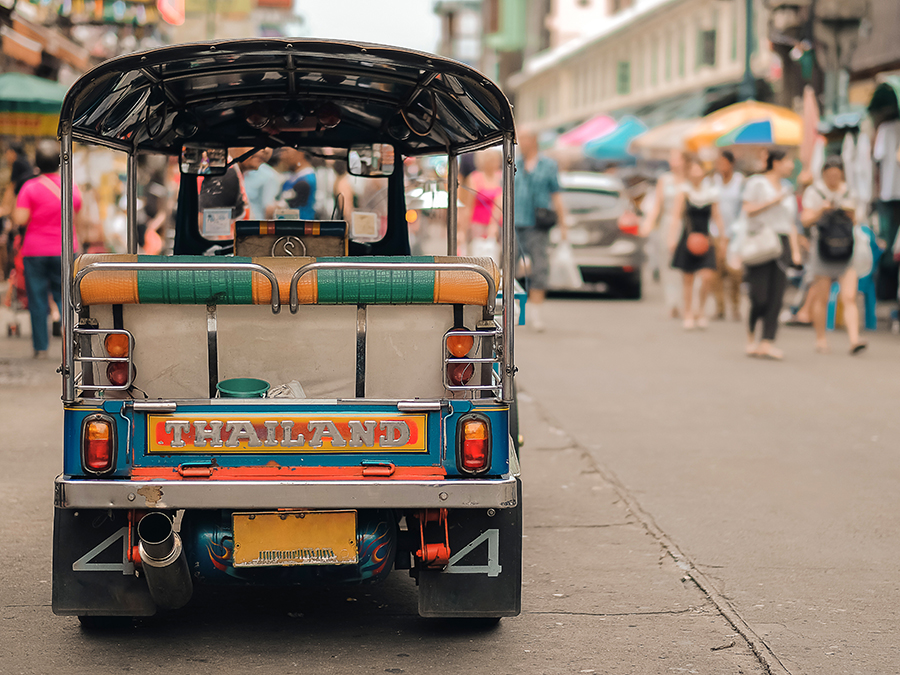

Tuk-tuk

Master the Transportation

If it’s your first time in Bangkok, learning how locals get around can save you time, money and frustration. Start with the BTS Skytrain and MRT Subway, clean, air-conditioned and easy to use networks for getting around top areas like Sukhumvit, Silom and the Old City. For airport transfers, the Airport Rail Link into the city from Suvarnabhumi Airport (BKK) is fast and affordable. Want something scenic? The Chao Phraya Express Boat is a great way to see temples and riverfront attractions. Skip the taxis, whose rates can vary widely, and use Grab or Bolt instead; they’re reliable, app-based like Uber and Lyft and don’t require haggling. And of course, iconic tuk-tuks are fun, three-wheeled rides but are best for short distances (remember to agree on a fare before hopping in).

Find Refuge from the Heat in Malls and Shopping Centers

Bangkok has a hot and humid climate—daytime temperature can be over 85 degrees F for most of the year—so visitors should prepare to stay hydrated and take plenty of breaks from the heat. Thankfully, Bangkok brims with malls and shopping centers, clean and comfortable air-conditioned venues offering prime shopping, dining and entertainment. Many also have stellar food courts, specializing in a vast, affordable array of authentic Thai street food and international dishes. One of the most head-turning is SookSiam at IconSiam complex, a designer marketplace styled after historic Thai food bazaars. There, admire the dazzling replica of a rustic floating market and sample culinary specialties from 77 provinces.
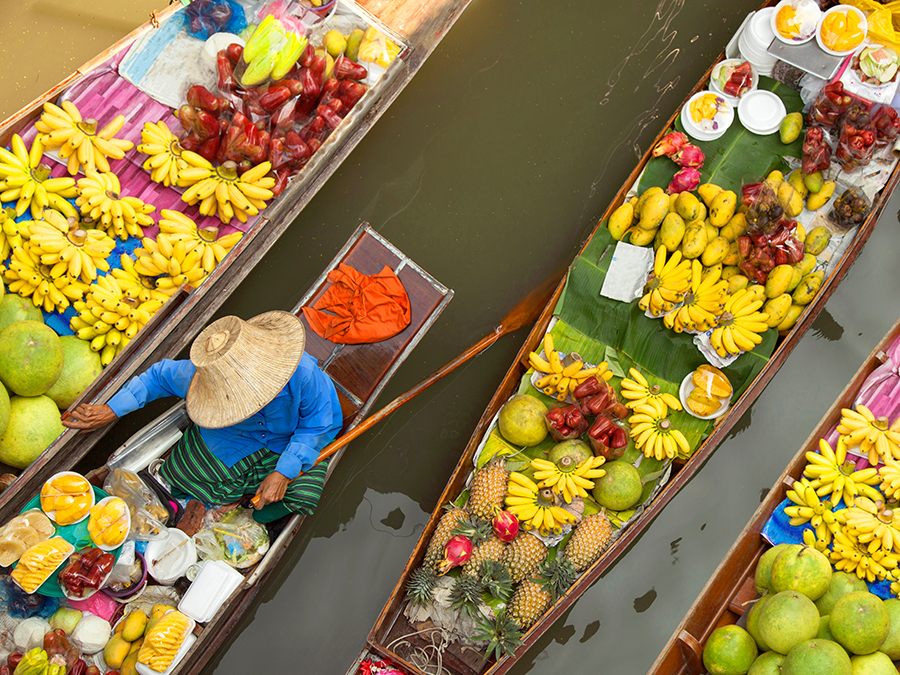

Floating Market in Bangkok

Follow the Locals

Experiencing Bangkok like a local starts on the streets, bustling thoroughfares packed with food stalls and storefronts. Make a list of popular fare you want to try such as som tum (papaya salad), roti (made-to-order pancakes) and moo ping (grilled pork skewers) and buy from stalls with lines—a sign what’s for sale is approved by regulars. Be sure to carry cash in small bills (Thai baht), as most vendors don’t accept credit cards. ATMs are plentiful, making it easy to withdraw small amounts of cash at a time; avoid pocketing too much since petty theft is common throughout the city.

Where to Stay

Offering access to lots of shopping and dining, BTS Skytrain stations and peaceful Lumpini Park, hotels on Wireless Road are popular choices for travelers seeking a central home base in Bangkok. Here are three standout hotels along the thoroughfare.

Dusit Thani Bangkok
The Dusit Thani, located at Dusit Central Park, high-end development with shops, residences and a rooftop park, reopened in fall 2024 after undergoing an exquisite facelift. The hotel’s standard rooms boast breathtaking views of Lumpini Park, living spaces with Thai-inspired furnishings, and marble bathrooms with freestanding tubs. Book an appointment at the new Devarana Wellness spa, whose therapists are known for their holistic expertise and hospitality.

The Ritz-Carlton, Bangkok
For travelers seeking classic luxury accommodations, the Ritz-Carlton delivers all of the amenities the brand is famous for, with nods to Bangkok's unmatched vibrancy. The property, situated steps away from the verdant pathways of Lumpini Park, offers exclusive experiences for guests, such as private guided boat cruises on the Chao Phraya River and tai-chi sessions on the terrace.

Andaz One Bangkok, by Hyatt
This hotel opened its doors in December 2025, bringing modern, design-forward accommodations to Wireless Road. Guests love the chic, minimalist rooms and the hotel’s color-splashed dining venues and shared spaces. For instance, the Andaz Terrace, accented with shades of lime green and light woods, is a cozy place to sip a cocktail at golden hour or linger over a cup of morning coffee.

Book these hotels, and more, using the TSA rate code in the GDS. Non-GDS users can book these hotels using tripXpress.

Banner photo: Wat Arun Temple​

A Perfect Weekend in Venice: Iconic Canals, Quiet Corners & Lagoon Adventures

A Perfect Weekend in Venice: Iconic Canals, Quiet Corners & Lagoon Adventures

By Riane Morrison

Few places captivate the imagination like Venice, with its winding canals, narrow alleyways, and sweeping piazzas. Draped in centuries of history and wrapped in a shimmering lagoon, the city offers a blend of art, architecture, food, and atmosphere that feels entirely its own. The best part? Even a two-day trip can reveal the city’s beauty—along with pockets of charm that most visitors miss. Here, we map out a perfect weekend in the Floating City, where visitors can experience the highlights, hidden corners, and unforgettable moments that make Venice a true escape.

Start with the Icons

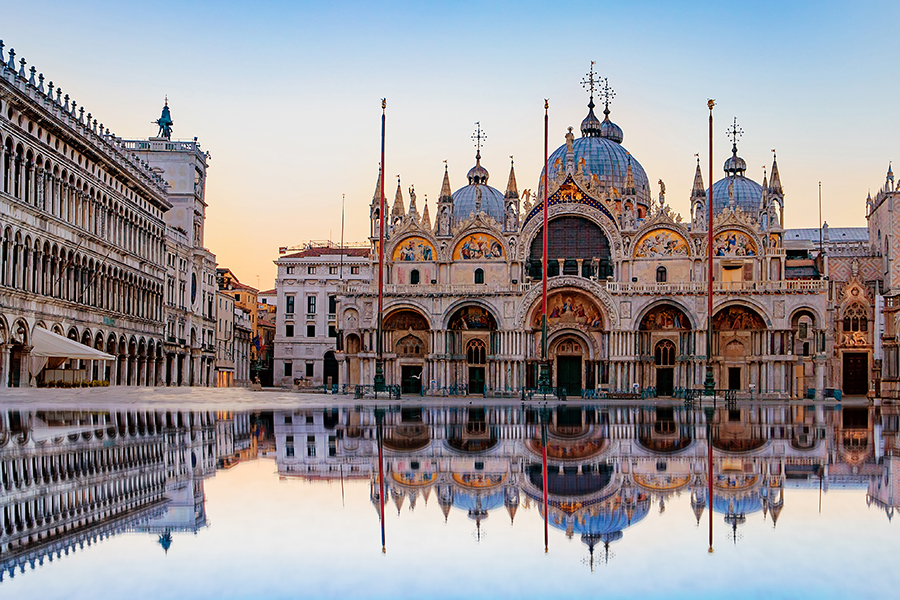
Embrace the sights that have inspired centuries of artists, writers, and dreamers. St. Mark’s Square is magical in the early morning, when the crowds are thin. Take in the piazza’s endless rows of columns before enjoying coffee and breakfast at a nearby café, then step inside St. Mark’s Basilica to admire its mosaics and views. Afterward, explore the frescoed halls of the Doge’s Palace, once the seat of political power in the Venetian Republic, and traverse the iconic Bridge of Sighs, which connects the palace to its dungeons.

St. Mark's Square and Basilica

Outside, the Riva degli Schiavoni offers postcard-worthy views: gondolas bobbing on the water, glimpses of San Giorgio Maggiore’s Palladian architecture, and church domes rising in the distance. From here, it’s an easy walk to the Rialto Bridge, where the Grand Canal curves through the heart of the city. Visit the Rialto Market to glimpse daily life as vendors hawk fish, produce, and seasonal specialties.

Find Venice’s Quiet Corners

Get off the beaten path in Cannaregio, one of the least touristy districts, made up of serene canals, neighborhood cafés, and lively taverns. It’s also home to the Jewish Museum of Venice and the historic Jewish Ghetto, the oldest in Europe, dating back to the 16th century.

Art lovers should head to Dorsoduro, where the Peggy Guggenheim Collection showcases modern art  masterpieces. Nearby, the Scuola Grande di San Rocco features Tintoretto’s monumental frescoes—often without the crowds found in Venice’s more famous museums.

For travelers who love craftsmanship, artisan traditions remain alive in Venice’s iconic Carnival mask ateliers, paper-marbling studios and glass workshops. And a stop at the gondola repair yard at Squero San Trovaso offers insight into the delicate care required for maintaining the city’s most iconic vessels.

Taste the Lagoon

Food is one of the easiest ways to explore Venetian culture. Cicchetti, the city’s version of tapas, are best enjoyed in a traditional bacaro (tavern), often standing at the bar. These small bites often include crostini topped with creamy baccalà (cod), fresh seafood, or cured meats—and they’re always paired with a glass of wine or a local spritz. Seafood fans will appreciate dishes drawn directly from the lagoon: risottos flavored with cuttlefish ink, grilled branzino, or fried soft-shell crab when in season.


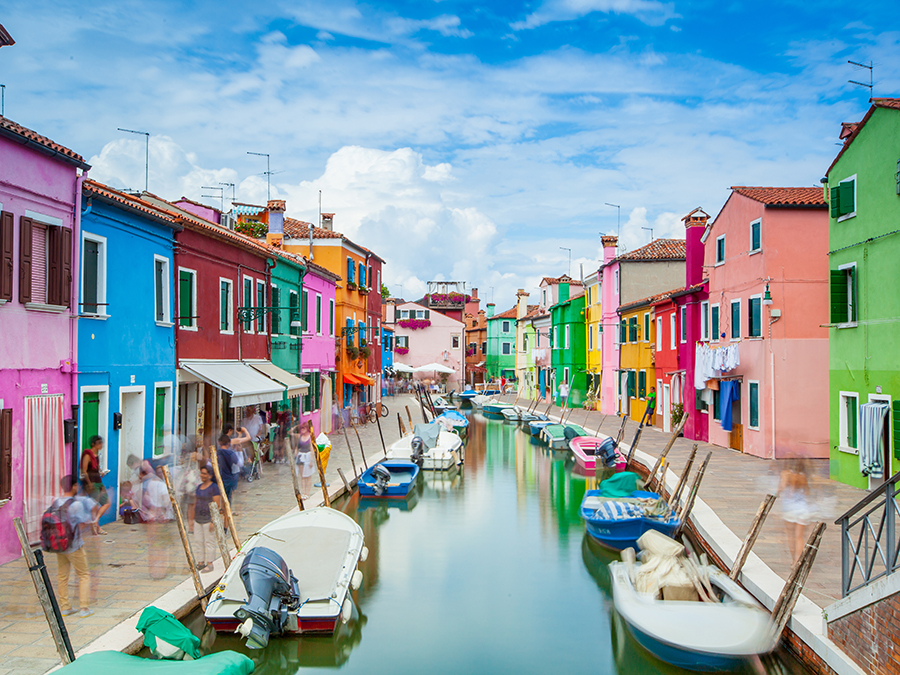
Colorful Burano, Italy

Venture Beyond the Main Island

No weekend in Venice is complete without exploring the islands scattered across its lagoon. Murano is famous for its centuries-old glassblowing tradition, where artisans shape molten glass into shimmering vases, chandeliers, and sculptures. Continue on to Burano, a technicolor village famous for its lace-making. For a quieter retreat, Mazzorbo offers vineyards, gardens, and walking paths.

End the Weekend on a High Note

Watch Venice transform from day to night by viewing the sunset from an iconic bridge like the Ponte dell'Accademia. Then take a dusk time gondola ride along the Grand Canal and through smaller waterways. As the sun goes down, the streetlights come up, reflecting off the water and illuminating the buildings. Afterward, head to dinner and savor the evening at a live jazz club, cozy wine bar, or lively square like Campo Santa Margherita.

Where to Stay

Radisson Collection Hotel Palazzo Nani Venice
Set along the Cannaregio Canal in a restored 16th-century palace, the Radisson Collection Hotel Palazzo Nani Venice blends Venetian heritage with modern luxury. Original frescoes, serene garden spaces, and detailed interiors reflect the story of the noble Nani family, while its location places guests near neighborhood cafés, artisan shops, and easy connections to the islands. With 52 elegant rooms and suites—many offering canal or courtyard views—plus a charming on-site restaurant, it’s an ideal base for travelers seeking comfort, history, and local charm.

Hotel Indigo Venice – Sant’Elena
Tucked inside a converted 1930s monastery in one of Venice’s most peaceful districts, Hotel Indigo Venice – Sant’Elena offers a restorative retreat from the city center. Adjacent to the Gothic church of Sant’Elena and close to the La Biennale di Venice grounds, this is a great choice for art enthusiasts. Guests enjoy quiet courtyards, airy rooms, and easy access to the Lido island’s beaches and the Venice International Film Festival via boat. It’s a neighborhood hotel with genuine local character—perfect for travelers looking to unwind.

Papadopoli Hotel Venezia – MGallery Collection
Located near the Grand Canal and the scenic Tolentini district, Papadopoli Venezia is an elegant, strategically positioned hotel ideal for travelers arriving by train or car. The hotel’s bright Winter Garden—designed by master landscape architect Pietro Porcinai—is a standout space for relaxed meals. With refined interiors, proximity to Santa Lucia station and Piazzale Roma, and easy access to Venice’s landmarks, Papadopoli offers both convenience and sophistication.

Book these hotels, and more, using the TSA rate code in the GDS. Non-GDS users can book these hotels using tripXpress.

Banner photo: Venice, Italy


GET IN TOUCH
 71 Audrey Avenue Oyster Bay, NY 11771
 (516) 624-0500
  hotelprogram@travelsavers.com

AGENCY SALES
 800-436-6171
  sales@travelsavers.com

MEDIA INQUIRIES
  media@travelsavers.com

JOIN THE TEAM
Explore career opportunities.
  hireme@travelsavers.com