Why Vancouver Might Be the Best World Cup City to Visit This Summer
By Riane Menardi Morrison
When the FIFA World Cup 2026 arrives in North America, most travelers will set their sights on the obvious heavyweights: Los Angeles, New York, Mexico City. But Vancouver is making a compelling case as one of the most rewarding host cities of the tournament—and one that should be on your summer travel radar.
With seven matches scheduled at BC Place stadium—including two of Canada’s group stage games and a pair of knockout rounds—the city will have its share of global attention. And yet, Vancouver also offers a World Cup experience that feels less overwhelming and distinctly tied to its beautiful natural surroundings.
A City Designed for Traversing
One of Vancouver’s greatest strengths is how easy it is to navigate. The city is compact and intuitive, meaning you can step out of your downtown hotel, wander for coffee in Gastown, and find yourself at the edge of the water within minutes. From there, the Seawall—one of the longest uninterrupted waterfront paths in the world—loops around Stanley Park, offering a front-row seat to mountains, harbor views, and the city behind.
Unlike larger host cities where commuting dictates your day, Vancouver invites spontaneity. You can arrive at BC Place on foot, by bike, or via a short transit ride, making it easy to jump from daytime activities to dinner reservations to kickoff.
Nature Within Reach
What sets Vancouver apart isn’t just its urban design. Nature is a main character here, and within 30 minutes, you can trade stadium energy for forested trails or panoramic vistas. Even within city limits, nature is constant: beaches line the edges of downtown, mountains frame nearly every view, and green space is never far away.
During the World Cup, that proximity becomes a reprieve. Between matches, travelers can step out of the crowds and dip their toes in the water at Kitsilano Beach, wander the hedge maze at VanDusen Botanical Garden, or take in the fairy-tale manicured lawns and Bloedel Conservatory at Queen Elizabeth Park.
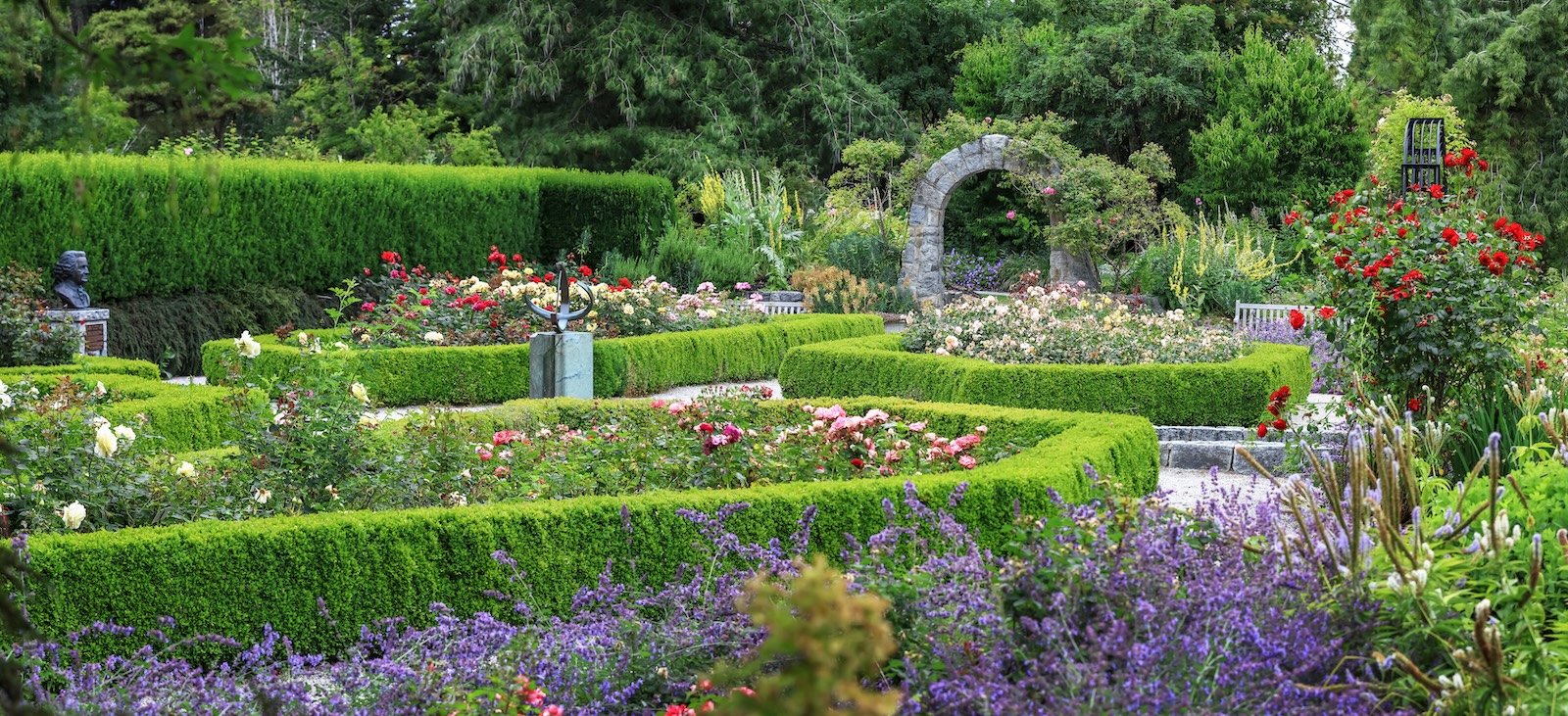 VanDusen Botanical Garden
A Global Food Scene
For a tournament defined by international culture, Vancouver’s food scene feels especially fitting. The city’s multicultural identity is reflected in its dining, where global cuisine is not just present, but foundational. Add to that a strong emphasis on Pacific Northwest seafood, hyper-local produce, and a deep coffee culture, and the result is a dining landscape that feels both worldwide and distinctly regional.
In practice, that might look like a donburi rice bowl for lunch at Dosanko, local fish for dinner at Coast, and a late-night bowl of noodles at Maruhachi Ra-men. In between, you can always expect to find cozy spots slinging oysters, street food, and local brews—whether you’re in the mood for local beer or Canadian whisky.
A Stadium with a View
Set against a skyline backdrop, BC Place feels like a natural part of Vancouver’s beating city heart. Its retractable roof ensures matches go on rain or shine—a practical advantage in a coastal climate—but it’s the setting that makes it memorable. Step outside after a match, and you’re immediately back in the city: lights reflecting off the water, mountains silhouetted in the distance, and neighborhoods alive with energy. There’s no long exodus or train ride home; instead, the experience flows naturally from stadium to street.
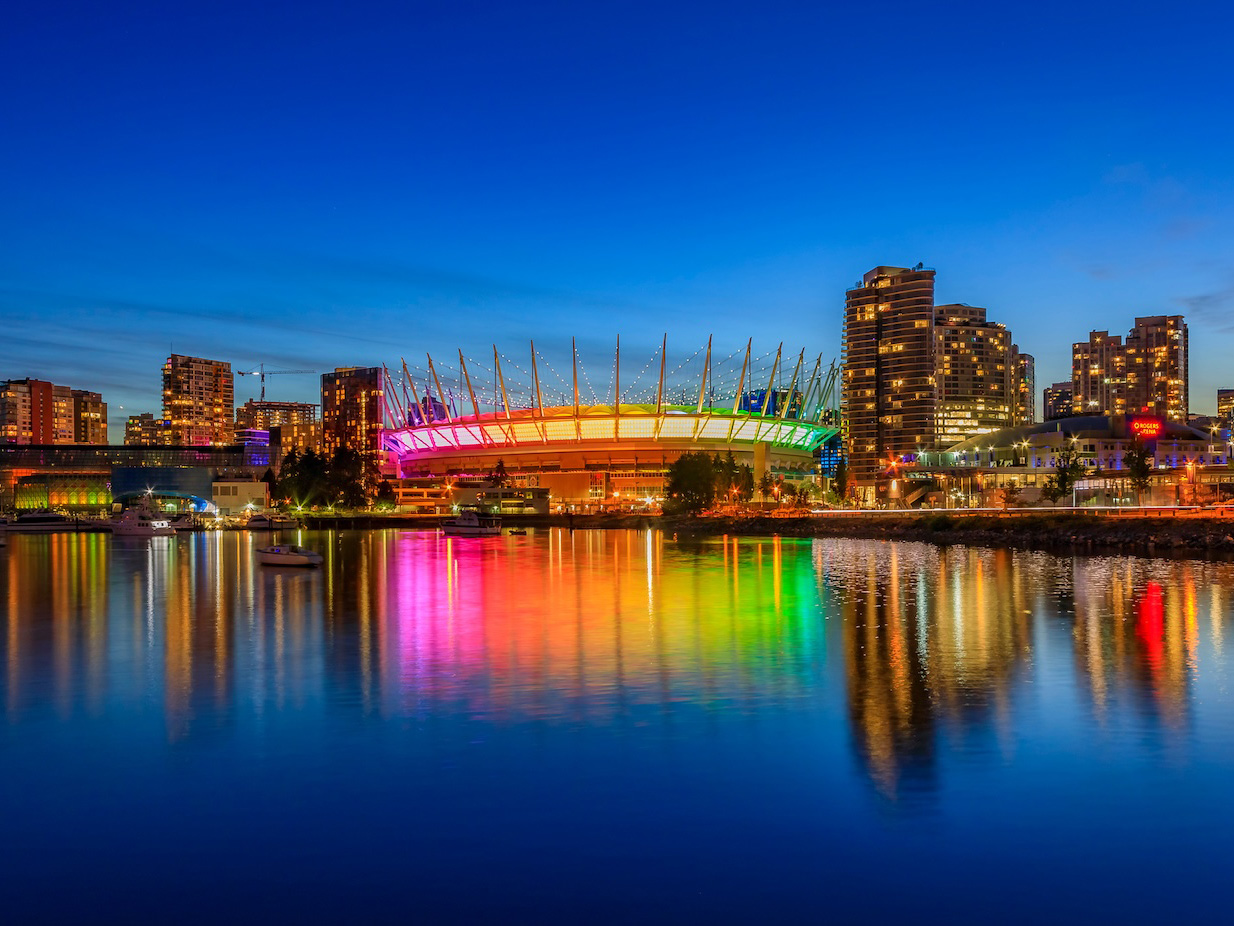 BC Place Stadium
A Cooler Summer
While other host cities contend with peak summer heat, Vancouver offers a comfortable climate even in June and July. Daytime temperatures are typically mild, with highs in the 70s and 80s, and evenings are cool enough for a light layer. Late sunsets extend the daylight hours to around 9 p.m., offering the freedom to linger a little later without feeling the effects of a sweltering day.
Where to Stay
Coast Coal Harbour Vancouver Hotel by APA
Set along the waterfront in Coal Harbour, this modern, newly renovated hotel offers easy access to BC Place, the convention center, and Stanley Park. Its location makes it especially appealing during the World Cup, with many of Vancouver’s top sights within walking distance. Comfortable rooms—some with ocean views and private balconies—are paired with thoughtful amenities like a heated outdoor pool, on-site dining at Prestons Restaurant + Lounge, and the serene Sanatio Spa. With Waterfront Station nearby, getting around the city or to the airport is refreshingly simple.
Hyatt Vancouver Downtown Alberni
Set on Alberni Street in the heart of downtown’s luxury shopping and cultural district, this MICHELIN Key hotel offers a refined city stay just steps from top restaurants, galleries, and the waterfront. Spacious rooms feature floor-to-ceiling windows with sweeping city and mountain views, while marble bathrooms and warm, modern interiors create a calm retreat above the bustle. Guests can unwind at the outdoor pool or Orrin Spa, and dine at Carlino, where Northern Italian cuisine meets local Pacific Northwest ingredients.
Paradox Vancouver
Housed in Arthur Erickson’s striking twisting tower, Paradox Vancouver blends boutique sensibility with Forbes Four-Star luxury. The 147-room hotel balances high-design interiors with a relaxed, residential feel, creating a stylish home base in the heart of downtown. Amenities include a celebrated spa, vibrant dining and lounge spaces, and curated experiences that reflect the city’s creative energy. It’s an ideal choice for travelers seeking a more design-forward, culturally connected stay during their time in Vancouver.
Book these hotels, and more, using the TSA rate code in the GDS. Non-GDS users can book these hotels using tripXpress.
Banner photo: Vancouver Seashore